



Preventing Failure: Lessons Learned to Lessons Applied
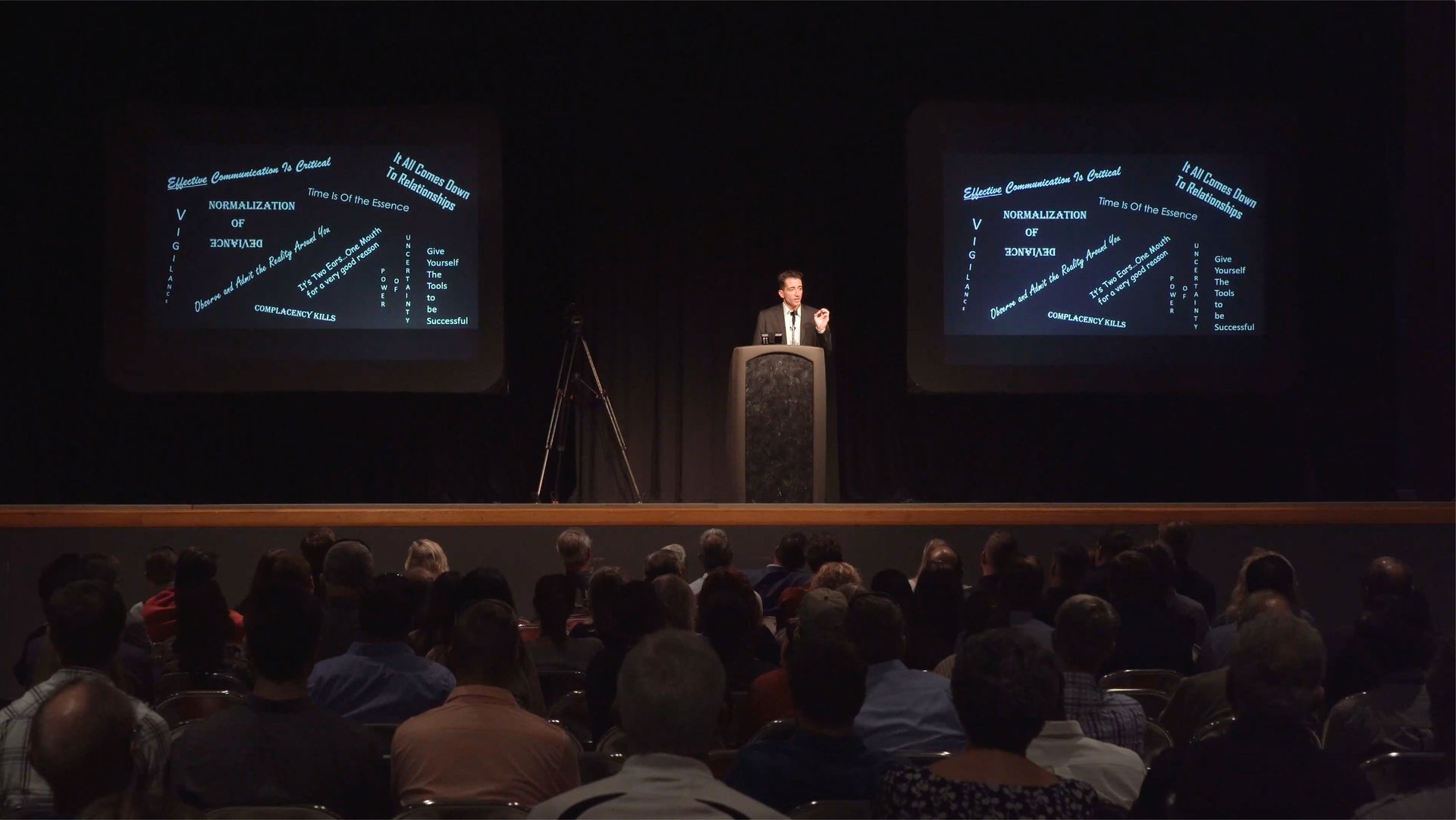
A Test Director’s Discipline for High-Consequence Organizations
Organizations do not repeat failures because they lack intelligence, experience, or data. They repeat failures because learning breaks down under pressure and lessons fail to change how decisions are made.
Mike Ciannilli works with leaders in high-consequence systems to prevent repeat failure by turning hard-earned lessons into disciplined operational change.
Why Traditional Lessons Learned Processes Fall Short
Most organizations conduct strong technical reviews. Reports are written. Debriefs happen. Lessons are documented.
Yet the same patterns often return 12 to 24 months later.
Common breakdowns include:
- Risk becomes harder to discuss as pressure increases
- Institutional memory fades as teams change
- Minor deviations become accepted practice
- Documentation replaces operational change
- Teams understand what happened but never align on why it made sense at the time
Preventing Failure exists to close that gap.
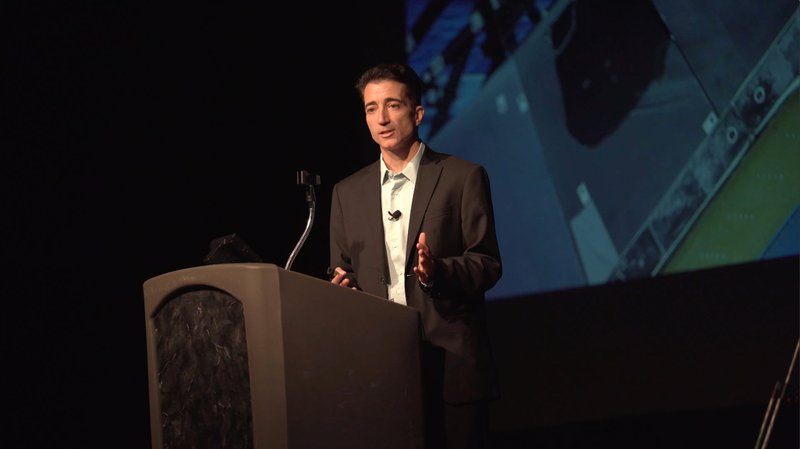
The Preventing Failure Learning Discipline
A structured approach to ensuring lessons change behavior, not just documentation.
At every stage, leaders examine:

How events unfolded

Why conditions allowed them to unfold
That distinction is what prevents repetition.

Make Risk Discussable
If people cannot talk about risk, it cannot be managed.
Purpose
Interrupt silence, false confidence, and normalization of deviance before they become accepted practice.
Test Director Mindset
- Clear, concise communication
- Purposeful listening for weak signals
- Comfort with uncertainty when information is incomplete
Leader Focus
- What anomalies are present but being discounted
- Where people hesitate to raise concerns
- What feels normal now that would have raised concern earlier
This stage creates conditions where concerns can be identified early, without penalty or delay.

Establish Shared Understanding
Learning fails when people walk away with different interpretations.
Purpose
Align leaders and teams on both what happened and why it made sense at the time.
Test Director Mindset
- Step by step reconstruction of events
- Examination of context, pressure, incentives, and constraints
- Encouragement of dissent before agreement hardens
Leader Focus
- How did the event unfold in sequence
- Why decisions felt reasonable given the information and pressure present
- Where assumptions replace verified understanding
This stage replaces hindsight with clarity.
Apply Lessons to Operations
This discipline continues where most organizations stop and turns learning into sustained operational change.
Purpose
Translate learning into real, owned changes in how work is done.
Test Director Mindset
- Clear ownership
- Explicit decision rights
- Verifiable follow through
Leader Focus
- What must change in decisions, roles, processes, or communication
- Who owns the change
- How will leaders confirm the change is actually being used
If learning does not change how work gets done, it is not learning yet.
Maintain Vigilance Over Time
Preventing failure is not a one-time effort.
Purpose
Protect learning from erosion as urgency, pressure, and familiarity return.
Test Director Mindset
- Continuous attention to drift
- Willingness to pause when conditions change
- Ongoing challenge of “this is just how we do it now”
Leader Focus
- Where small deviations become routine
- What signals indicate learning is fading
- Who is responsible for calling a pause when risk re-emerges
This stage ensures lessons endure over time, not just in the moment.

The Anchor That Makes Prevention Possible
Technical analysis explains how something failed.
Preventing failure requires understanding why it made sense for people to act that way at the time, given the pressure, incentives, and information they had.
When organizations focus only on mechanics, they fix components.
When they examine conditions and decision environments, they prevent repetition.
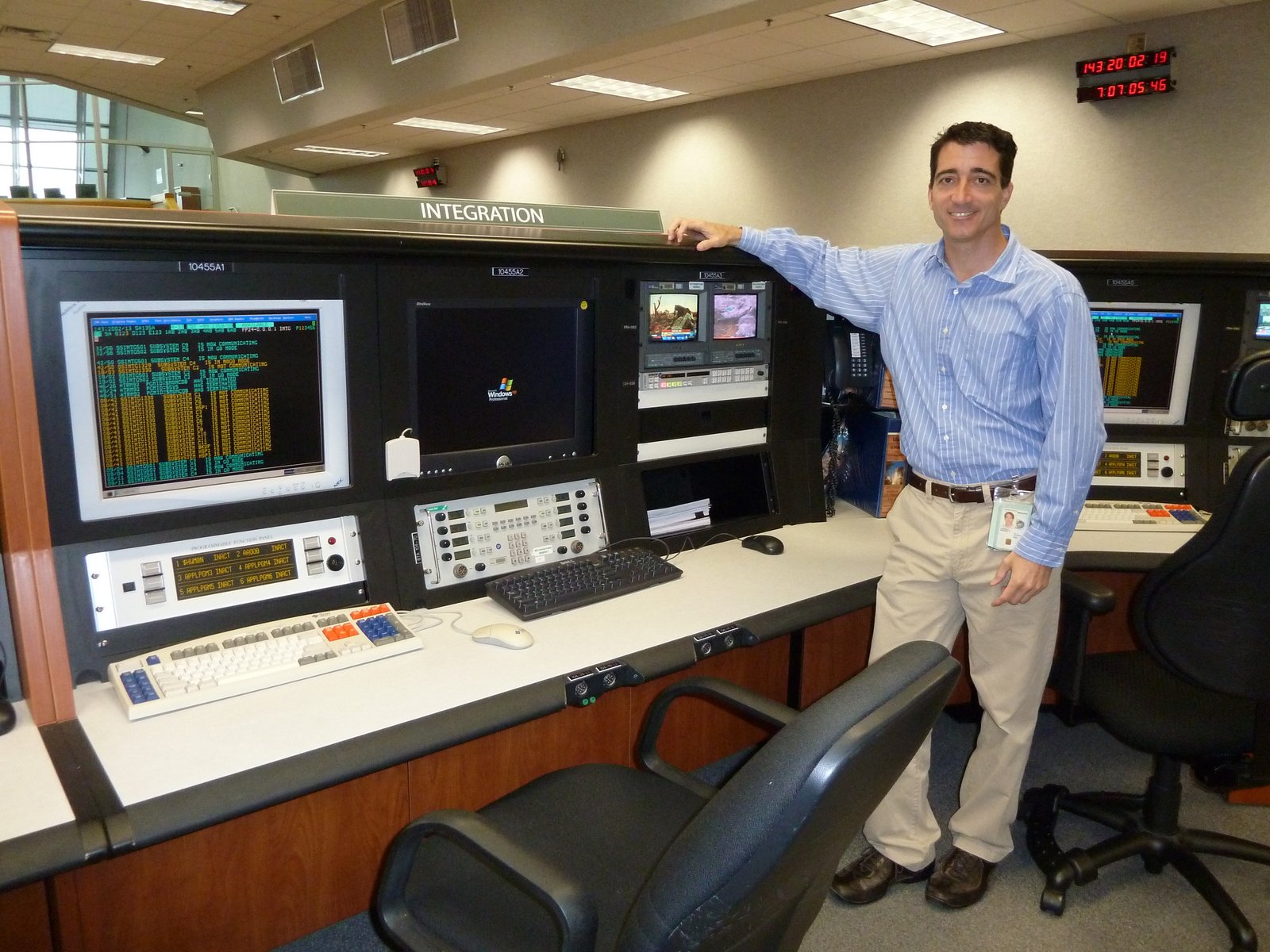
Built From Real Responsibility
This learning discipline reflects how Test Directors operate in environments where:
- Decisions carry irreversible consequences
- Assumptions must be challenged
- Learning must survive pressure
- Repetition is unacceptable
It is not theory. It is operational practice shaped inside systems where outcomes mattered.