



When we talk about returning to the Moon with the Artemis program, most people think about the massive SLS rocket or the sleek Orion spacecraft. But as someone who spent years in NASA mission operations, I can tell you that one of the most complex "systems" we have to manage isn't made of metal—it’s the food our astronauts eat.
In a high-stakes environment like Orion, food is more than just fuel; it is a matter of safety, hardware integrity, and psychological well-being. Here is a look at what is on the menu for our lunar explorers, and more importantly, what we’ve strictly banned from the cabin.
What’s on the Tray: The Artemis Menu
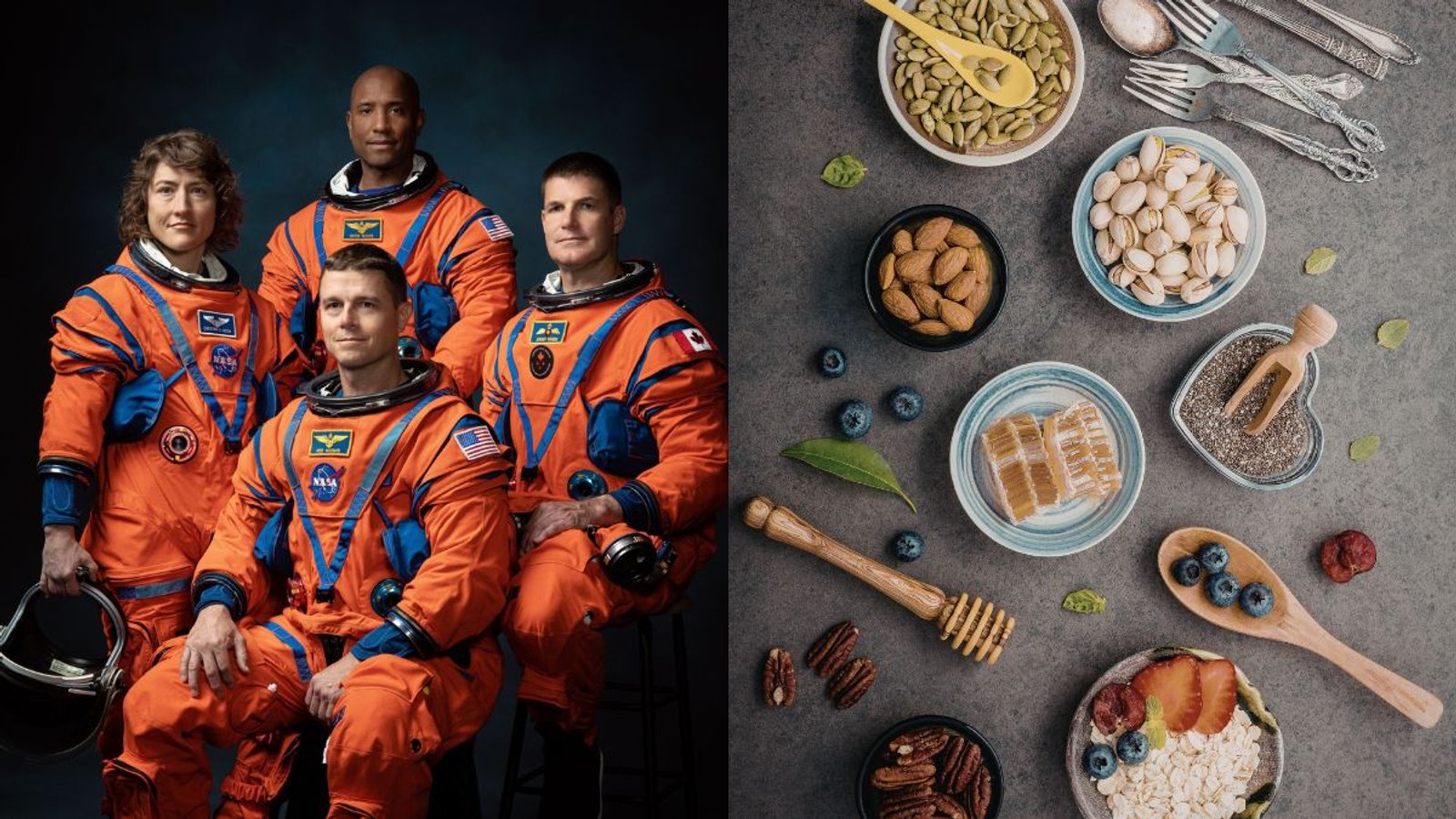
For the Artemis II mission, we have developed a menu of roughly 187 unique items. These aren't the "squeezable tubes" of the Mercury era. Today’s astronauts eat meals that look remarkably like what you’d find in a high-end pantry, just specifically engineered for microgravity.
The Staples: You’ll find beef brisket, macaroni and cheese, vegetable quiche, and even mango salad. These are "thermostabilized" or "rehydratable" to ensure they stay shelf-stable for the duration of the mission without refrigeration.
The "Secret Weapon" – Tortillas: If you look at any NASA food locker, you’ll see stacks of tortillas instead of bread. Tortillas are the unsung heroes of spaceflight because they don't produce crumbs and can hold almost any filling securely.
Bold Flavors: Because fluids shift in the body in microgravity, astronauts often feel like they have a head cold, which dulls their sense of taste. To counter this, the Artemis pantry is stocked with spicy green beans, curry, and five different types of hot sauce to keep their palates engaged.
The "No-Fly" List: What We Won’t Eat
The list of what cannot go to the Moon is actually more important than what can. In a spacecraft, a single piece of food can become a "Foreign Object Debris" (FOD) hazard that threatens the entire mission.
- Bread and Crackers (The Crumb Factor)
On Earth, a crumb falls to the floor. In Orion, a crumb floats. A tiny fragment of dried bread can drift into an astronaut’s eye, causing an injury, or worse, get sucked into the sensitive electronics of the life-support system. A single crumb behind a circuit board can cause a short circuit or a fire. This is why "crumbly" foods are the number one prohibited item.
- Carbonated Beverages (The "Wet Burp" Problem)
You won't find soda or sparkling water on Artemis. In gravity, the gas in your stomach rises and the liquid stays down. In microgravity, the gas and liquid stay mixed together in a "frothy" state. If an astronaut burps after a carbonated drink, it results in what we call a "wet burp"—essentially a messy, involuntary vomit. It’s a major hygiene and comfort issue in a small, shared cabin.
- Salt and Pepper Granules
We can’t have salt or pepper in their dry, granular form. If you tried to shake a saltshaker in the Orion cabin, you’d create a cloud of stinging dust that would irritate everyone’s eyes and lungs. Instead, we provide liquid salt (dissolved in water) and liquid pepper (infused in oil).
Safety First: Why Every Bite Matters
The Artemis missions are "closed-loop" environments. Unlike the International Space Station, there is no resupply ship coming with fresh fruit next week. Every calorie must be accounted for, and every piece of packaging must be easy to compress and store.
We choose these foods because they represent the "Lessons Learned" from decades of flight. We ground our decisions in realism—protecting the crew’s health while ensuring that their dinner doesn't accidentally disable the computer that's supposed to bring them home.
Mike Ciannilli is a former NASA mission leader who explains how disciplined decisions prevent failure in complex space missions. Drawing on experience in mission operations and test director environments, he analyzes developments in human spaceflight, mission risk, and major program decisions.
Preventing failure in complex space missions through disciplined decisions and lessons applied. https://preventfailure.com